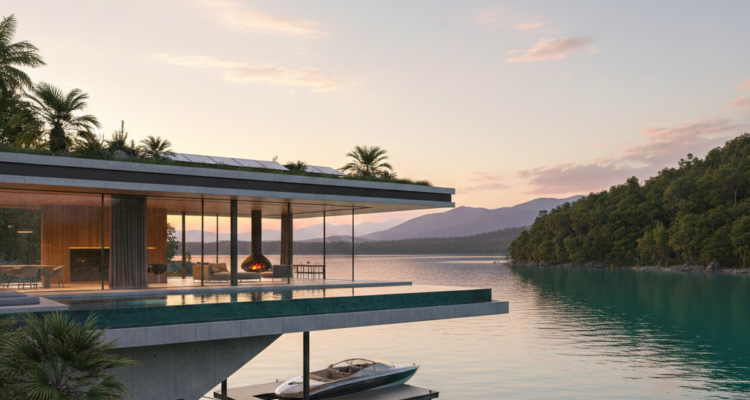
The architectural profession is at a defining crossroads. As we advance through 2026, architects are navigating a complex landscape shaped by rapid technological adoption, urgent sustainability imperatives, and profound questions about the profession’s future role. This comprehensive analysis explores the key trends redefining how architects design, collaborate, and build for a world in transition.
The Digital Transformation: New Tools for a New Era
The foundation of architectural practice is being rebuilt with digital tools that enhance precision, creativity, and collaboration.
Building Information Modeling (BIM) has evolved from a advanced tool to a fundamental platform. It creates detailed 3D models enriched with critical project data, transforming standard documentation into a highly collaborative environment shared across entire project teams. This shift enables faster collaboration, more accurate visualizations, and proactive problem-solving before construction begins. Industry data shows that 68% of AEC firms now use BIM, with 65% reporting a high return on investment from its implementation.
Artificial Intelligence (AI) is rapidly moving into architectural workflows. Tools now automate data analysis, optimize spatial layouts, and even suggest creative design alternatives, freeing architects to focus on higher-level creativity. Firms are exploring AI not just for design generation, but to streamline construction administration and project management tasks. However, leaders like Petchimuthu Kennedy of Earthscape Studio caution against over-reliance, advocating for a balanced approach that preserves human creativity and imagination.
· Parametric and Generative Design: These approaches allow architects to define rules and constraints, enabling the rapid generation and evaluation of multiple design solutions. This complements human creativity, encouraging experimentation with complex geometries and performance optimization.
· Immersive Visualization: Virtual and Augmented Reality (VR/AR) are now standard for client presentations and collaboration. They allow stakeholders to experience realistic 3D spaces, adjust finishes in real-time, and provide feedback before construction, bridging the gap between vision and expectation.
· The Digital Twin: Creating a real-time, data-driven virtual replica of a physical building is gaining traction. Digital twins use sensor data to provide insights into building performance, identify maintenance needs, and support informed decision-making throughout a structure’s entire lifecycle.
Sustainability as Standard Practice: From Aspiration to Obligation
Sustainability has decisively shifted from a premium option to a non-negotiable baseline for responsible practice.
Key Drivers of Sustainable Design:
· Regulatory Pressure: Deadlines for climate strategies like the AIA 2030 Commitment and RIBA 2030 Climate Challenge are accelerating change.
· Client Demand: Both public and private clients are moving beyond checkbox certification to invest in strategies with long-term environmental and financial paybacks.
· Material Scarcity: The industry faces a looming materials crisis due to scarcity, price volatility, and environmental impact, forcing a shift to renewable, locally-sourced materials.
Emerging strategies include:
· Embodied Carbon Analysis: Tools like carbon calculators enable architects to generate reliable emission estimates early in the design process, using precise data to guide material and system choices.
· Adaptive Reuse and Retrofit: Reinventing historical or underused structures reduces waste and preserves cultural heritage while meeting modern needs. This approach honors the past while designing for tomorrow.
· The Circular Economy in Action: Pioneering initiatives like Barcelona’s “Mineral” urban mining challenge are demonstrating circularity. Winning proposals focus on reusing large pieces of demolition waste (asphalt, concrete) to create new modular building elements or combining crushed mineral waste with natural binders like seaweed to form new materials.
· Biophilic Design: This philosophy integrates natural elements—light, vegetation, organic textures—into the built environment to improve occupant well-being. It’s evolving from a concept to a structural component of projects.
Natural materials such as wood, bamboo, and rammed earth are seeing a resurgence for their low carbon footprint, aesthetic warmth, and regulatory advantages. Projects like the Oyaki Farm demonstrate how wood and rammed earth can optimize ventilation, lighting, and thermal performance.
Redefining the Architect: New Skills for a New Scope
The architect’s role is expanding beyond traditional boundaries, demanding new skills and a broader perspective.
· The Interdisciplinary Leader: Architects are increasingly tasked with adding value in complex urban environments, moving beyond standalone buildings to solve city-scale problems. This requires leading teams that include experts from fields like ecology, data science, and social policy. As OMA’s Reinier de Graaf starkly notes, “The authority of architects is crumbling, their methods no longer tenable,” signaling a need for profound professional reinvention.
· The Wellbeing Advocate: There is a growing recognition that architects have a responsibility to influence mental well-being. Advancements in neuroscience and biometrics allow the study of how spaces affect people, paving the way for well-being standards to be incorporated into building codes and design guidelines.
· The Ethical Practitioner: In an era of climate crisis and economic uncertainty, moral questions are paramount. The profession is grappling with what projects to refuse on ethical grounds and how to ensure buildings serve the public good rather than becoming assets for practices like money laundering.
Essential Soft Skills for 2026:
In this evolving landscape, technical prowess must be paired with strong interpersonal abilities.
· Communication: The ability to explain designs clearly, without jargon, to diverse stakeholders.
· Collaboration & Teamwork: Creating space for others, sharing work-in-progress, and involving consultants early.
· Problem-Solving & Adaptability: Reframing challenges and staying open to alternative approaches when plans shift.
· Emotional Intelligence: Awareness of team dynamics and the impact of one’s communication style.
· Commercial Awareness: Understanding project budgeting, fee structures, and the business impact of design decisions.
Designing for Modern Life: Flexibility, Narrative, and Place
Architectural trends are increasingly driven by how people actually live, work, and seek well-being.
· The Hybrid and Adaptable Space: Rigid boundaries between functions are disappearing. Homes incorporate hospitality features, hotels include workspaces, and commercial spaces seek a domestic character. The need for spaces that can evolve with their inhabitants is driving demand for modular systems, transformable furniture, and non-invasive design solutions.
· Designing with Narrative: A strong residential design tells a story, guiding occupants on a deliberate journey from arrival to private space. This involves intentional zoning, creating moments of pause, and designing for seasonal rhythms, transforming a generic layout into a personalized, calming home.
· Intentional Connection to Place: This trend moves beyond excessive glazing to carefully framed views that capture specific landscapes, creating calm and visual privacy. It also involves continuity of materials from indoors to outdoors, using a restrained palette to blur boundaries and make spaces feel larger and more cohesive.
· Integrated Performance: Renewable energy systems are now fundamental to design. This includes solar PV sized for actual household loads, heat pumps paired with excellent insulation, and EV charging planned from the outset—all following a “fabric first” approach to reduce energy demand before offsetting it.
An Integrated Future
The defining theme for architecture in 2026 is integration. The most successful projects and practices will seamlessly integrate:
· Technology and Humanity, using tools like AI and BIM to enhance, not replace, human creativity and judgment.
· Sustainability and Beauty, proving that low-carbon, circular solutions can be aesthetically rich and emotionally resonant.
· Performance and Narrative, creating buildings that tell a story while operating efficiently and comfortably.
· Specialist Skill and Interdisciplinary Leadership, where deep architectural expertise is the foundation for leading broader urban and societal conversations.
The path forward requires architects to be adaptable, ethically engaged, and committed to lifelong learning. By embracing these interconnected trends, the profession can move beyond crisis to redefine its value and deliver spaces that are not only built to last but designed to improve life and steward the planet.

We Don’t Just Design Buildings; We Engineer Landmarks that Stand the Test of Time.
Let’em Know !
Share with friends and family.