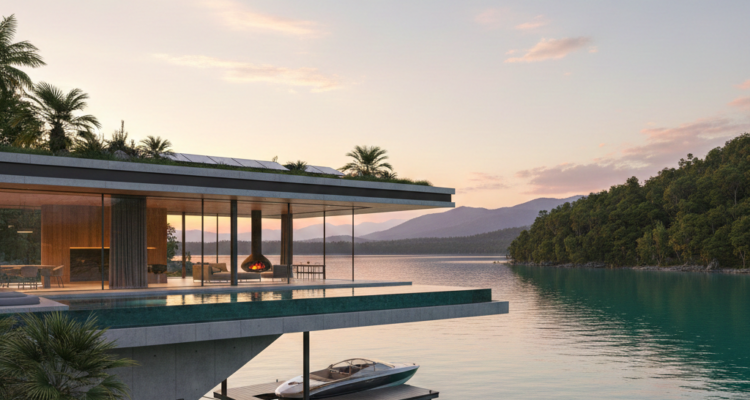
In the 21st century, modern architecture has evolved far beyond the stark minimalism of the mid-1900s. Today’s modern residential design embraces a holistic philosophy that prioritizes functionality, sustainability, connection to nature, and personal wellbeing. For anyone embarking on the journey of building a home, understanding these architectural styles is crucial—not just for aesthetic appeal, but for creating spaces that enhance daily life, reduce environmental impact, and stand the test of time.
This guide explores the most recommended modern architectural designs, breaking down their principles, advantages, and considerations to help you make an informed decision for your future home.
Contemporary Modern (The Evolving Standard)
Core Philosophy: Responsive design that reflects current trends while emphasizing light, space, and flow.
Key Characteristics:
· Asymmetry and dynamic forms: Less rigid than mid-century modern, with unexpected angles and volumes
· Large, often floor-to-ceiling windows maximizing natural light
· Open floor plans with defined zones rather than walls
· Mixed materials: Combining wood, steel, glass, and concrete in visually interesting ways
· Neutral color palettes with bold accent features
· Green roofs and living walls integrated as design elements
Best For: Homeowners who want a current, stylish home that doesn’t adhere to a single historical style. It offers flexibility and often incorporates the latest in smart home technology and sustainable practices.
Considerations: Can date more quickly than timeless styles; requires thoughtful design to avoid a “trendy” look that may not age well.
Minimalist Modern (Less is More)
Core Philosophy: Radical simplification to essentials, creating calm, uncluttered spaces that focus on quality over quantity.
Key Characteristics:
· Clean lines and geometric simplicity
· Monochromatic or limited color schemes (whites, grays, beiges with occasional accent)
· Hidden storage to eliminate visual clutter
· Focus on exquisite craftsmanship and material honesty
· “Negative space” as a design element
· Strategic, intentional lighting (both natural and artificial)
Best For: Individuals who value mindfulness, simplicity, and order. Excellent for small lots as it maximizes the feeling of space.
Considerations: Requires significant discipline in lifestyle and purchasing habits. Can feel sterile if not warmed with textures and thoughtful details.
Scandinavian Modern (Hygge and Function)
Core Philosophy: Democratic design that combines beauty, functionality, and affordability to enhance everyday living.
Key Characteristics:
· Light-filled spaces to combat dark winters (large windows, light colors)
· Natural materials: Light woods (ash, pine, oak), wool, linen
· Functional furniture with clean lines
· Warm, textured textiles for coziness (hygge)
· Connection to outdoors through visual and physical access
· Efficient, compact layouts without wasted space
Best For: Families and individuals in colder climates who prioritize warmth, comfort, and practical living. Excellent for creating a nurturing home environment.
Considerations: May require adaptation in very hot climates. The light color scheme can be challenging with young children or pets.
Industrial Modern (Raw Elegance)
Core Philosophy: Celebrating the “bones” of a building, finding beauty in raw, unfinished materials and structural honesty.
Key Characteristics:
· Exposed structural elements: Ductwork, beams, pipes
· Raw materials: Polished concrete floors, brick walls, steel beams
· Open, loft-like spaces with high ceilings
· Large, factory-style windows
· Utilitarian lighting (pendant lights, track lighting)
· Neutral palette with metallic accents
Best For: Urban settings, adaptive reuse projects, or those who appreciate an edgy, unconventional aesthetic. Ideal for artists or those wanting large, flexible spaces.
Considerations: Can be acoustically challenging and sometimes cold without careful softening elements. Not always ideal for traditional family living.
Biophilic Design (Nature-Integrated)
Core Philosophy: Humans have an innate need to connect with nature; architecture should facilitate this connection for improved health and wellbeing.
Key Characteristics:
· Maximized natural light with careful solar orientation
· Natural ventilation strategies and cross-ventilation
· Direct incorporation of nature: Indoor gardens, water features, green walls
· Natural materials that age gracefully
· Visual connections to outdoors from every major room
· Dynamic, diffuse lighting that mimics natural patterns
· Organic, non-rectilinear forms that reflect natural shapes
Best For: Anyone prioritizing health, wellness, and sustainability. Particularly beneficial in stressful urban environments or for those seeking a restorative home sanctuary.
Considerations: Requires careful site analysis and potentially more maintenance (living walls, indoor plants). Can have higher upfront costs for specialized systems.
Passive House (Performance-Driven)
Core Philosophy: Ultra-energy efficiency through precise design and construction, creating exceptionally comfortable homes with minimal ecological footprint.
Key Characteristics:
· Super-insulated envelope with minimal thermal bridging
· Airtight construction (verified with blower door tests)
· High-performance windows and doors (typically triple-glazed)
· Mechanical ventilation with heat recovery (MVHR) for continuous fresh air
· Thermal bridge-free design
· Solar gain optimization based on orientation
Best For: Environmentally conscious homeowners in climates with temperature extremes. Offers remarkably low utility bills and superior indoor air quality.
Considerations: Higher initial investment (typically 5-15% more than conventional construction), requires specialized designers and builders. Design flexibility can be somewhat constrained by performance requirements.
Modular/Prefab Modern (Efficiency Engineered)
Core Philosophy: Factory precision and efficiency applied to home construction, reducing waste, cost, and build time while maintaining design quality.
Key Characteristics:
· Clean, often panelized or boxy forms (though increasingly flexible)
· Standardized components assembled with precision
· Fast on-site assembly (weeks rather than months)
· Reduced construction waste (up to 50% less than site-built)
· High-quality control in factory conditions
· Modern aesthetic often inherent to the method
Best For: Builders on tight timelines or budgets, remote locations, or those who want to minimize construction disruption. Excellent for achieving modern design at accessible price points.
Considerations: Perception issues (not your “traditional” build), transportation limitations for very remote sites, and potential zoning restrictions in some areas.
Mediterranean Modern (Warm Climate Adaptation)
Core Philosophy: Modern reinterpretation of traditional warm-climate architectures, focusing on indoor-outdoor living and passive cooling.
Key Characteristics:
· Courtyards, patios, and loggias as living spaces
· Thermal mass materials (stone, concrete) to moderate temperatures
· Deep overhangs and shading devices
· Natural ventilation strategies
· Water features for evaporative cooling
· Warm, earthy material palette
· Flat or low-pitched roofs with rooftop terraces
Best For: Warm, dry climates. Perfect for those who love to entertain and live outdoors. Creates seamless transitions between inside and outside.
Considerations: Less ideal for colder climates without modification. Water features and pools require maintenance.
Choosing Your Modern Design: Key Considerations
- Climate and Site: Your local environment should be the primary driver. Passive House excels in extreme climates; Mediterranean Modern in warm areas; Scandinavian adaptations work well in colder regions.
- Lifestyle Needs: Consider how you live. Do you entertain frequently? Work from home? Have young children? Minimalist design might challenge a family with young children, while open-plan designs suit entertainers.
- Budget Realities: Some styles have different cost implications. Prefab/modular can offer cost certainty, while bespoke designs like Biophilic or Passive House may have higher upfront costs (but long-term savings).
- Maintenance Tolerance: Industrial and concrete finishes are low maintenance; green walls and extensive glazing require more upkeep.
- Resale Considerations: While your home should reflect you, extremely niche designs (very stark Minimalist or raw Industrial) may appeal to a smaller buyer pool.
- Sustainability Goals: If reducing carbon footprint is priority, Passive House or Biophilic designs with strong performance standards lead the field.
The Design Process: Working with Your Architect
- Define Your Priorities: Create a list of non-negotiables vs. nice-to-haves.
- Site Analysis: A good architect will study sun paths, winds, views, and topography.
- Concept Development: Your architect will translate your needs into spatial concepts.
- Material Selection: Choose materials that align with your style, climate, and maintenance preferences.
- Integration of Systems: Modern homes integrate structure, mechanical systems, and technology seamlessly.
- Detailed Documentation: Precise plans ensure your vision is executed correctly.
Conclusion: Your Home as a Living System
Modern architecture today is less about a specific “look” and more about creating responsive, healthy environments. The most successful modern homes are those that:
· Respond authentically to their site and climate
· Support the wellbeing of their inhabitants
· Function efficiently and adaptably
· Express beauty through form, material, and light
· Minimize their environmental impact
Whether you’re drawn to the warm functionality of Scandinavian design, the rigorous performance of Passive House, or the nature-embracing principles of Biophilic design, the key is choosing an architectural language that speaks to how you want to live. Your home should not just be a shelter, but a tool for living better—a concept at the very heart of modern architectural philosophy.
Final Recommendation: Engage with an architect early in the process. Visit homes in different styles, collect images that resonate with you, and be prepared to articulate not just what you want your home to look like, but how you want it to feel and function. The best modern homes are born from this collaborative exploration between homeowner and architect, resulting in spaces that are not only beautiful but truly transformative to daily life.

We Don’t Just Design Buildings; We Engineer Landmarks that Stand the Test of Time.
Let’em Know !
Share with friends and family.