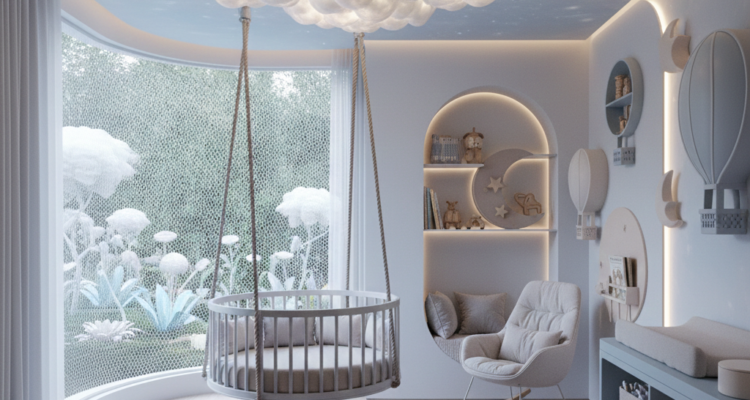
The nursery is far more than just a room with a crib. It is a child’s first dedicated environment, a microcosm that shapes their initial experiences of safety, discovery, and growth. Its architecture—the intentional design of its space, systems, and sensory qualities—plays a crucial, often understated, role in supporting infant development and family well-being. This article provides a comprehensive and detailed exploration of nursery architecture, moving beyond decor to examine the foundational principles of spatial design, safety, ergonomics, and atmosphere.
I. Foundational Design Principles
Before selecting a color palette, core architectural principles must guide the plan.
- Safety as the Non-Negotiable Framework: Every design decision is filtered through this lens. This means creating an environment free from physical hazards (sharp corners, unstable furniture, electrical risks) and environmental toxins (VOCs in paint, formaldehyde in composites).
- Functionality & Flow (The “Work Triangle” for Parents): The nursery is a workspace for caregiving. An efficient layout minimizes unnecessary movement during sleep-deprived nights. The classic “work triangle” connects the three key nodes: the crib, the changing station, and the feeding/comfort area. Clear, unobstructed circulation between these points is essential.
- Flexibility & Longevity (The “Grow-With-Me” Approach): A well-architected nursery anticipates change. It avoids overly theme-locked, infant-specific designs in favor of adaptable elements. A convertible crib, modular storage, and wall space that can evolve from a mobile to a poster display ensure the room remains relevant for years.
- Sensory Calibration: Infants’ developing nervous systems require a balanced sensory input. Architecture influences this through:
· Acoustics: Soft materials (rugs, curtains, upholstered furniture) dampen harsh noises. Consideration for external sound pollution is key.
· Visual Calm: Uncluttered lines, defined zones, and a restrained color palette prevent overstimulation. The concept of “visual noise” from too many patterns is as important as auditory noise.
· Tactile Diversity: Incorporating a variety of safe, natural textures (wood, cotton, wool, smooth silicone) aids in sensory exploration.
II. Zoning and Spatial Organization
A mature nursery is divided into distinct, purpose-driven zones, creating order and ritual.
- The Sleep Zone:
· Crib Placement: The crib should be the room’s focal point for safety and orientation. It must be placed away from windows (to avoid drafts, cords, and direct sunlight), radiators, and shelves. A clear perimeter allows for easy access from all sides.
· Ambiance Creation: This zone demands the most controlled environment. Blackout solutions (shutters, layered curtains) are architectural elements critical for circadian rhythm regulation. A dedicated, dimmable light source (a wall sconce or small table lamp) is preferable to overhead lights for night feeds. - The Care Zone:
· Changing Station: This is a dedicated work surface, not an afterthought. It requires ample, integrated storage within arm’s reach (diapers, wipes, creams). 360-degree safety (rails, non-slip mats) is mandatory. Height should be ergonomic for the primary caregiver to avoid back strain.
· Sanitation: Proximity to a sink is a high-end luxury, but having space for a sanitizing station and diaper disposal is a practical necessity. - The Feeding & Bonding Zone:
· This is often overlooked architecturally. A comfortable, supportive chair (glider or rocker) with adequate support for arms and neck is vital. A small side table for a lamp, water, and books, along with a footstool, transforms a corner into a functional, nurturing nest. Access to soft, adjustable lighting is critical here. - The Activity & Storage Zone:
· Storage Philosophy: “A place for everything” reduces clutter and stress. Storage should be multi-level: closed cabinets up high for infrequently used items, open bins or low shelves for accessible toys, and a dedicated hamper.
· Future-Proofing: Even for a newborn, leave an open floor area for a future play mat, then a tummy time gym, and eventually toy cars and blocks. This flexible floor space is as important as any built-in element.
III. Architectural Elements & Systems in Detail
- Lighting Design (Layered Approach):
· Ambient: Ceiling light with a dimmer switch is essential for general illumination at low levels.
· Task: Dedicated lights for changing table (shadow-free) and feeding chair.
· Accent/Nightlight: Soft, indirect lighting (e.g., LED strips under shelving, plug-in wall lights) provides safe nighttime navigation without disrupting sleep cycles. All lighting should be warm-white (2700K-3000K) to promote melatonin production. - Climate Control & Air Quality:
· Ventilation: Consistent, draft-free fresh air is paramount. Windows that can be safely opened (with secure guards) are ideal. A high-quality air purifier with a HEPA filter can be a significant architectural addition, removing dust, allergens, and VOCs.
· Temperature & Humidity: A reliable thermostat and a humidifier/dehumidifier system help maintain the recommended 68-72°F (20-22°C) and 40-60% humidity for optimal sleep and health. - Materials & Finishes:
· Floors: Soft, warm, and easy-to-clean. Cork and high-quality vinyl plank offer cushioning, acoustical benefits, and durability. Wool or cotton rugs (with non-slip pads) add warmth and texture.
· Walls: Non-toxic, zero-VOC paint or plaster is mandatory. Consider subtle, natural textures or murals for visual interest. Chair rails or wainscoting can add depth and later protect walls from active toddlers.
· Surfaces: Furniture should have rounded, softened edges. Natural solid wood (finished with non-toxic oils or paints) is the gold standard for durability and air quality. - Acoustic Architecture:
· Beyond soft furnishings, structural elements can aid sound control. Acoustic wall panels (fabric-covered), thick curtains, and even strategically placed bookshelves filled with books can break up sound waves and create a quieter, more serene environment.
IV. Safety as an Integrated System
Safety is not just add-ons; it’s built into the architecture.
· Furniture Anchoring: All tall furniture (dressers, bookcases) must be permanently anchored to wall studs.
· Electrical Safety: Outlets must be covered with sliding safety plates (superior to plastic plugs). Cords from lamps, monitors, and humidifiers must be managed and concealed.
· Window Guards: Non-negotiable on all windows in the room. Decorative window bars or interior guards that can be locked in a ventilating position are part of the architectural specification.
· Door Considerations: Finger-pinch guards, door stoppers, and later, doorknob covers, are essential details.
V. Inclusive and Accessible Design
A forward-thinking nursery considers diverse needs.
· For Caregivers: Design should accommodate caregivers of different heights and mobilities. Adjustable changing tables and varied seating options are considerate touches.
· For the Child: As the child grows, the room should support increasing independence. Low-level clothing rails, accessible toy storage, and eventually, a step-up to a low bed all foster autonomy.
Beyond the Room
The architecture of a nursery is the thoughtful construction of a first habitat. It is a balanced synthesis of rigorous safety standards, ergonomic efficiency, and sensory harmony. It is a space that must quietly perform its function—facilitating rest, care, play, and bonding—while remaining flexible enough to accommodate the rapid, wondrous transformation of its tiny occupant. By applying these architectural principles, we create more than a decorated room; we build a secure, adaptable, and nurturing foundation for the monumental journey of early childhood. The most successful nursery architecture is that which fades into the background, creating a seamless, safe, and serene stage for life’s first acts.

We Don’t Just Design Buildings; We Engineer Landmarks that Stand the Test of Time.
Let’em Know !
Share with friends and family.